Office Cleaning Checklist for Small Businesses (Simple and Practical)
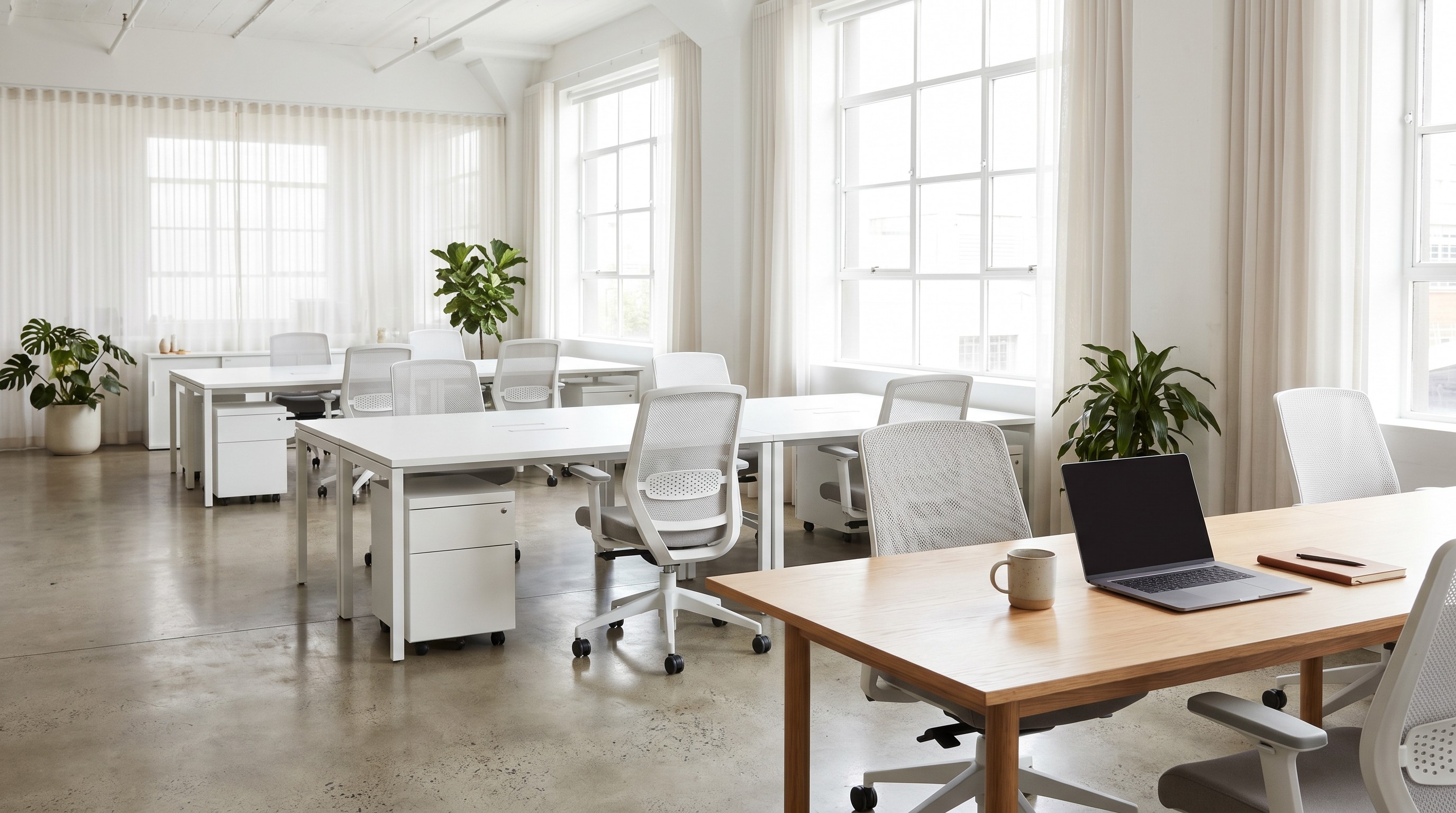
A clean workspace improves staff productivity and how clients perceive your business. This checklist shows what should be cleaned daily, weekly, and monthly so your office stays consistently presentable without disruption.
Introduction
Office cleaning is often treated as an afterthought until it starts affecting staff, clients, and daily operations. A simple, structured checklist keeps standards consistent and removes guesswork.
This guide breaks down exactly what needs to be cleaned and how often, so your workspace stays clean without interrupting work.
Why a Checklist Matters
Without a system, cleaning becomes inconsistent.
A checklist helps you:
Maintain a consistent standard
Avoid missed areas
Plan cleaning around business hours
Keep accountability clear
Daily Cleaning Tasks
Focus on high touch and visible areas.
Wipe desks and work surfaces
Clean reception and front desk
Empty bins and replace liners
Disinfect door handles and switches
Clean kitchen surfaces and sinks
Tidy meeting rooms after use
These tasks keep the office presentable throughout the day.
Weekly Cleaning Tasks
Address buildup and less visible areas.
Vacuum carpets and rugs
Mop hard floors
Wipe skirting boards
Clean glass doors and internal windows
Disinfect shared equipment
Deep clean kitchen and break areas
Weekly cleaning prevents dirt from building up over time.
Monthly Cleaning Tasks
Handle deeper and less frequent tasks.
Deep clean carpets if needed
Clean vents and air filters
Wipe high surfaces and corners
Clean behind furniture where accessible
Detail clean bathrooms
These tasks maintain long term cleanliness and hygiene.
Areas Businesses Often Miss
Even with regular cleaning, some areas are overlooked.
Common misses include:
Light switches and power points
Under desks and behind equipment
Window tracks
High touch shared items
These small details affect overall cleanliness more than expected.
Cleaning Without Disruption
Office cleaning should not interfere with daily work.
Best approach:
Schedule after hours cleaning
Use a consistent routine
Keep communication clear
This ensures the workspace stays clean without affecting productivity.
When to Hire Professional Cleaning
Professional cleaning is useful when:
Staff do not have time for upkeep
Standards need to stay consistent
The business wants a more professional environment
A reliable service removes the burden from your team.
Simple Weekly Plan Example
Daily: Surface cleaning and bins
Weekly: Floors, glass, shared spaces
Monthly: Deep cleaning and detailing
This structure keeps everything manageable and consistent.
Conclusion
A clean office is not just about appearance. It impacts productivity, hygiene, and how your business is perceived.
With a clear checklist and consistent schedule, you can maintain a professional environment without extra effort.